


At night, that isn't always the case.
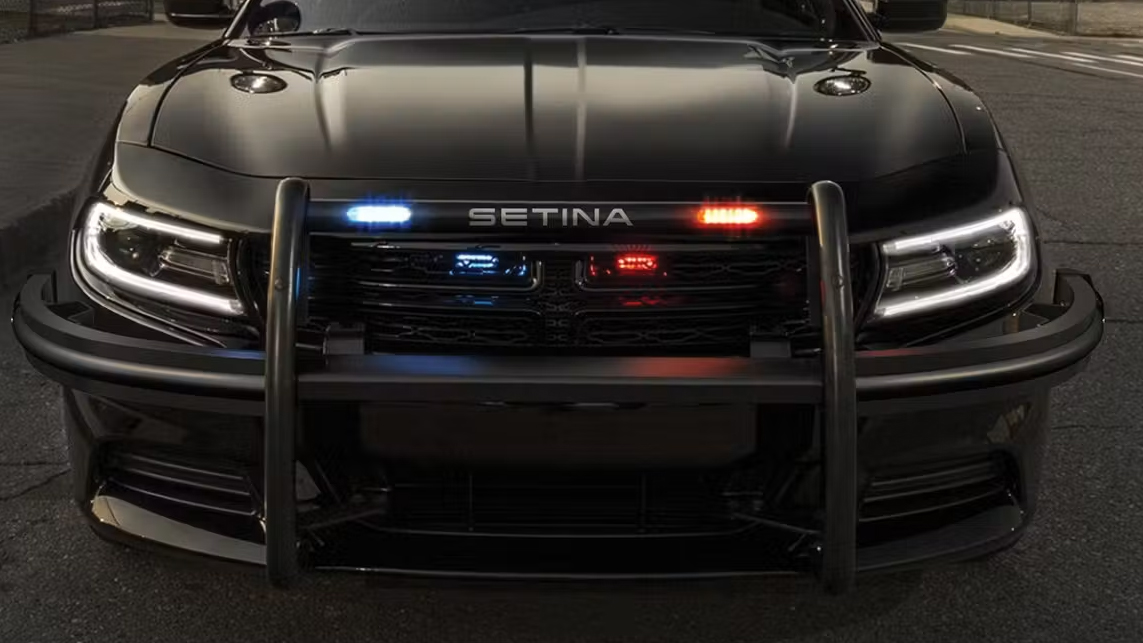
Emergency vehicles need to be unmistakably visible. But excessive intensity, harsh flashing and multiple vehicles operating different patterns can also create glare and visual clutter for responders and motorists trying to understand what's happening around them.
Effective warning is about communicating clearly, not producing as much light as possible.
Night Changes What the Eye Needs
A warning system that works well in bright daylight doesn't necessarily need the same intensity after dark.
At night, the surrounding environment is darker and the contrast created by emergency lighting becomes much greater. Extremely bright flashes can make it harder for the eye to adjust and see what's beyond the warning light.
Whelen's nighttime safety research and technology address this specifically. Its Dynamic Variable Intensity, or DVI, patterns gradually change light intensity to reduce glare and nighttime disorientation while maintaining an effective warning.
Give Drivers a Clear Signal
The purpose of warning lighting isn't to make motorists stare at the emergency vehicle. It's to help them recognize the hazard, understand where the vehicle is positioned and navigate safely around the scene.
A wall of intense flashing light can compete with the very things drivers need to see: responders, other vehicles, lane changes, traffic direction and the roadway itself.
Multiple Vehicles Change the Scene
One emergency vehicle is one source of warning information. Add several squads, fire apparatus, ambulances and other response vehicles and the visual environment can become much more complicated.
If every vehicle is producing an independent flash pattern, the result can be significant visual clutter. Technologies such as vehicle-to-vehicle synchronization can coordinate warning patterns across multiple vehicles, creating a more unified signal on larger scenes.
Scene Lighting Is Part of the Equation
Reducing warning-light intensity doesn't mean making the scene darker. Warning lighting and scene lighting perform different jobs. While warning lights communicate with approaching traffic, well-positioned scene and perimeter lighting can illuminate responders, equipment and the work area.
That distinction becomes especially important at night.
Build for More Than Maximum Output
A modern emergency lighting package should account for how the vehicle operates during the day, at night, while responding and while parked on scene. That means considering intensity, flash patterns, synchronization, placement, scene lighting and controls together.
North Central Upfitting works with public safety customers to build lighting systems around the conditions their vehicles encounter in the field.
Effective nighttime lighting is about clarity, not maximum brightness. Responders and motorists should be able to understand the scene and move through it safely.